


Real estate has traditionally been a relationship-driven business in Pakistan. Buyers visit properties, sellers rely on agents, investors compare locations, and much of the final decision still depends on local knowledge and personal verification.
That is not disappearing. What is changing is how people reach those decisions.
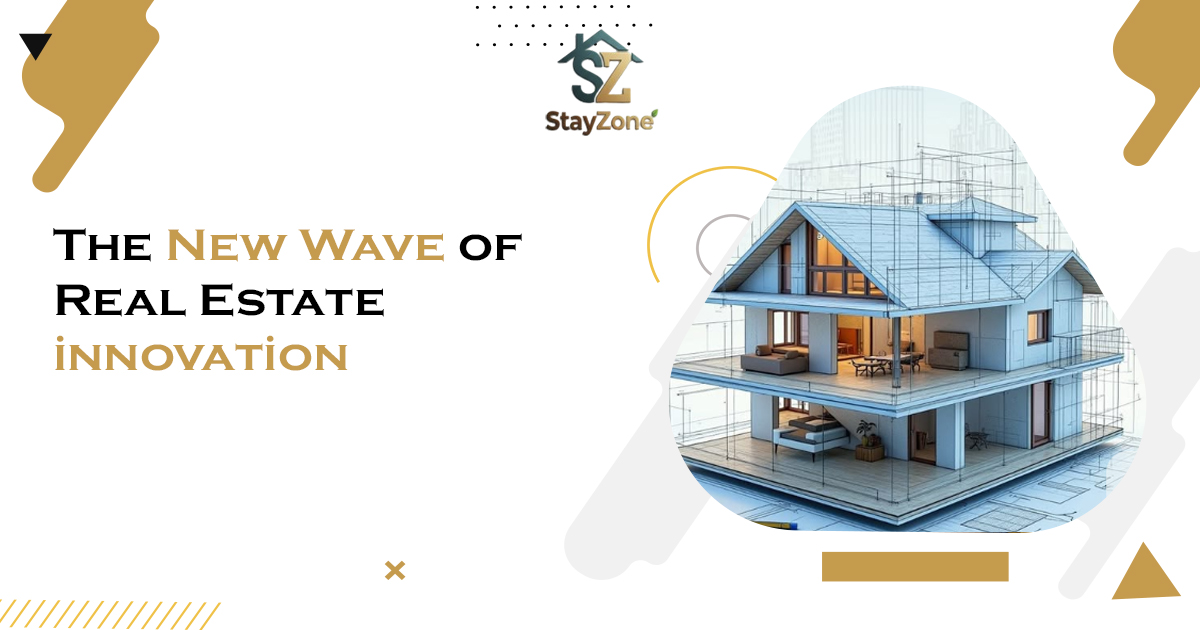
The new wave of real estate innovation combines technology, better access to information, digital property services and more transparent processes. From online property listings and digital land records to virtual property experiences and data-led comparisons, technology is making parts of the property journey easier to research and manage.
For buyers, sellers, landlords and real estate professionals in Pakistan, the real value of innovation is simple: better information before making a major financial decision.
What Is Real Estate Innovation?
Real estate innovation is the use of new technology, data and improved processes to make buying, selling, renting, developing and managing property more efficient.
You may also hear the term PropTech, short for property technology.
PropTech can include:
-
Online property marketplaces
-
Digital property records
-
Virtual property tours
-
Customer relationship management systems
-
Data-based property comparisons
-
Digital payment and documentation processes
-
Smart building technology
-
Automated property management tools
-
AI-assisted search and customer support
Not every innovation replaces traditional real estate services. In many cases, technology simply gives buyers and professionals better tools to work with.
How Digital Property Search Is Changing Real Estate
One of the most visible examples of digital real estate innovation is the way people search for property.
A buyer no longer has to begin by visiting several property dealers and asking what is available. Online platforms allow users to explore houses, apartments, plots and commercial properties before arranging physical visits.
A useful online listing can provide information such as:
-
Property type and size
-
Asking price
-
Location
-
Bedrooms and bathrooms
-
Property photographs
-
Furnished or unfurnished status
-
Parking
-
Important features
-
Agent or seller information
This does not remove the need to inspect a property. It simply helps buyers shortlist more efficiently.
For example, people exploring Lahore’s property market can use StayZone to browse available property options and then speak with an advisor about suitable choices. Explore StayZone property options.
Property Data Is Becoming More Important
The traditional property conversation often starts with a statement such as, “This area is going up,” or “This property is available at a very good price.”
Real estate innovation encourages a better question:
Compared with what?
Buyers and sellers can make stronger decisions when they compare similar properties based on location, size, condition, access, documentation and asking price.
For sellers, this can help create more realistic price expectations. For buyers, it can reduce the temptation to judge a deal simply because an advertisement describes it as an “investment opportunity.”
StayZone’s guide to buying, renting and selling property in Lahore similarly recommends comparing relevant properties and evaluating the complete picture before making a commitment property guide
Why Better Data Does Not Replace Local Knowledge
Property information needs context.
Two houses with the same size in the same housing society can still have different values because of their street, construction quality, road access, orientation, condition or documentation.
The future of real estate is therefore unlikely to be purely digital. A more practical model combines property technology with local expertise.
Digital Property Records Are an Important Innovation
Some of the most meaningful real estate innovation in Pakistan is happening outside property marketplaces.
In Punjab, the Punjab Land Records Authority provides several digital land-related services, including access to Fard services, e-stamping, registry services, DC valuation, housing-society status information and property-transfer systems. PLRA also provides online verification facilities for documents such as Fard and mutation records.
These systems demonstrate an important direction for PropTech in Pakistan: innovation is not only about making attractive property advertisements. It can also improve access to records and support more structured property processes.
Technology, however, should not be treated as a substitute for due diligence. Buyers should still verify the documents relevant to their particular property and transaction through the appropriate authority or qualified professional.
Virtual Tours Can Make Property Shortlisting Easier
Photographs will remain important, but property marketing is becoming increasingly visual.
Video walkthroughs, 360-degree views and virtual tours can give prospective buyers a clearer first impression before they travel to a property.
This can be particularly useful for:
-
Overseas Pakistanis
-
Buyers comparing properties in different cities
-
Busy professionals
-
Commercial property searches
-
Buyers viewing several shortlisted options
A virtual tour cannot show everything. Noise, traffic, neighbourhood conditions, construction details and the overall feel of a property still deserve an in-person visit.
The innovation is not about replacing viewings. It is about reducing unnecessary ones.
AI in Real Estate: Where Does It Fit?
Artificial intelligence is another frequently discussed area of real estate technology.
Its useful applications can include helping users filter large sets of listings, answering common questions, organising customer inquiries, analysing property information and supporting real estate professionals with routine administrative work.
However, buyers should be cautious about treating an automated recommendation as a property valuation or investment guarantee.
Real estate involves location-specific factors, documentation, individual financial circumstances and changing market conditions. Technology can support the decision; it should not make the decision for you.
Smarter Property Management Is Part of the Shift
Real estate innovation does not stop when a property is purchased.
Digital tools can also improve the management of rental properties through maintenance tracking, tenant communication, payment records, lease organisation and portfolio monitoring.
For landlords with multiple properties, organised records can make property management considerably easier than relying on scattered messages, paper files and memory.
The same principle applies to agencies. Better systems can help property advisors track buyer requirements and avoid repeatedly showing clients properties that do not match their needs.
What Real Estate Innovation Means for Buyers
For buyers, innovation creates more access to information—but also more information to verify.
Before committing to a property, use digital tools to research and shortlist, then apply traditional due diligence.
A Smarter Buying Process
A practical property journey can look like this:
-
Define your budget and property requirements.
-
Search and compare listings online.
-
Research suitable areas.
-
Speak with a knowledgeable property advisor.
-
Visit shortlisted properties.
-
Compare prices and property conditions.
-
Verify ownership and relevant documentation.
-
Understand taxes, fees and transfer requirements.
-
Review the agreement carefully.
-
Complete the transaction through the appropriate process.
Technology makes some of these steps faster. It does not make the important checks optional.
StayZone’s property-advisor guide explains how professional guidance can complement market research, property comparisons and verification during a transaction to choosing the right property advisor
What Real Estate Innovation Means for Sellers
Sellers are also competing in a more information-rich market.
Simply placing a “For Sale” sign outside a house may not reach the right audience. A modern property listing needs clear information, useful photographs, realistic pricing and accurate details.
StayZone’s guide to preparing a property for sale recommends including information such as size, location, condition, features, documentation, asking price and viewing availability rather than relying on vague promotional phrases. Learn how to prepare a property for sale
That is real estate innovation at its most practical: making it easier for serious buyers to understand what is actually being offered.
The Future of Real Estate Innovation in Pakistan
The next stage of real estate innovation in Pakistan is likely to be less about replacing people and more about connecting information, processes and professional advice more effectively.
Buyers will expect easier searches. Sellers will need better digital presentation. Property professionals will need organised information and responsive communication. Government digitisation can continue making certain property records and processes more accessible.
But one principle will remain important: real estate is a high-value decision.
A better interface cannot compensate for poor documentation. More data cannot guarantee future returns. And a virtual tour cannot replace every physical inspection.
The strongest innovation is technology that helps people ask better questions and make more informed decisions.
FAQs About Real Estate Innovation
1. What does real estate innovation mean?
Real estate innovation means using technology, data and improved processes to make property searching, buying, selling, renting, verification and management more efficient and transparent.
2. What is PropTech in real estate?
PropTech, or property technology, refers to digital tools used in the real estate industry. Examples include online property platforms, virtual tours, property-management software, digital records and data-analysis tools.
3. How is technology changing real estate in Pakistan?
Technology is changing how Pakistanis search for property, compare listings and access certain land-related services. In Punjab, for example, PLRA provides digital services covering areas such as Fard, e-stamping, registry and property-related verification.
4. Can technology replace a property dealer or real estate advisor?
Technology can make research and communication more efficient, but local expertise can still be valuable when comparing properties, arranging visits, negotiating terms and understanding transaction requirements.
5. Are online property listings enough to make a buying decision?
No. Listings are useful for research and shortlisting, but buyers should inspect the property, verify relevant documents, understand transaction costs and seek appropriate professional advice before completing a purchase.
Explore a Smarter Way to Search for Property
Real estate innovation is ultimately about making property decisions more informed, organised and convenient.
Whether you are buying your first home, searching for a rental, selling a property or comparing investment options, start with reliable information and take time to verify the details that matter.
Explore StayZone to discover property options, practical real estate guides and support for buying, selling and renting in Lahore StayZone.



Leave a Reply